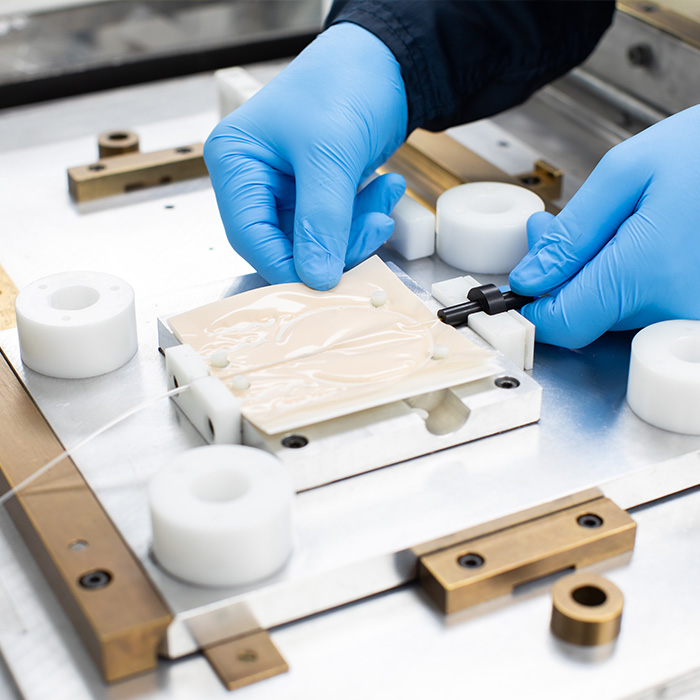
In the world of plastic manufacturing, welding plays a vital role in joining materials to create strong, durable products. Traditionally, plastic welding methods such as hot plate welding and vibration welding have been widely used. However, with technological advancements, ultrasonic welding has emerged as a preferred method for many industries, offering unique advantages in speed, precision, and efficiency. But which method is better for your business? In this blog, we’ll compare ultrasonic welding and traditional plastic welding to help you make an informed decision.
1. Speed and Efficiency
Ultrasonic Welding:
One of the biggest advantages of ultrasonic welding is its incredible speed. The process involves using high-frequency sound waves to generate heat and weld materials within seconds. It is ideal for high-volume production lines that require rapid cycles and minimal downtime.
Traditional Plastic Welding:
Traditional methods like hot plate or thermal welding often take longer. These techniques rely on direct heating of plastic surfaces, which requires more time to reach the necessary temperature for bonding. While they still provide strong welds, they are not as efficient for large-scale production as ultrasonic welding.
Winner: Ultrasonic Welding
For businesses that prioritize speed and high throughput, ultrasonic welding offers a significant advantage over traditional methods.
2. Precision and Accuracy
Ultrasonic Welding:
Ultrasonic welding provides precise control over the welding process. This is especially important when working with small, intricate parts or components that require a clean and accurate bond. The technology allows for exact control of parameters such as pressure, time, and energy, resulting in consistent welds with minimal distortion.
Traditional Plastic Welding:
While traditional plastic welding methods can produce strong bonds, they may lack the precision offered by ultrasonic welding. Methods like hot plate welding may result in more material distortion or a less uniform weld, especially in delicate applications.
Winner: Ultrasonic Welding
For applications requiring high precision, such as in the medical or electronics industries, ultrasonic welding is the superior choice.
3. Material Compatibility
Ultrasonic Welding:
Ultrasonic welding works best with thermoplastics, particularly those that have similar melting points. It can also be used for a wide variety of materials, including plastics, metals, and fabrics, making it versatile for many industries.
Traditional Plastic Welding:
Traditional methods such as hot plate welding are more forgiving when it comes to material compatibility. They can be used with a broader range of plastics and are ideal for larger, thicker parts or dissimilar materials.
Winner: Traditional Plastic Welding
If your project involves welding dissimilar materials or thicker plastic components, traditional welding methods might be more suitable.
4. Heat Generation and Energy Efficiency
Ultrasonic Welding:
One of the key benefits of ultrasonic welding is its localized heat generation. The process focuses heat only where it’s needed, reducing the risk of damaging the entire part or surrounding materials. This also makes ultrasonic welding more energy-efficient, as it uses less power compared to traditional methods.
Traditional Plastic Welding:
Traditional plastic welding methods, such as hot plate welding, require more heat and energy, as the entire surface must be heated to create a bond. This can lead to more energy consumption and higher operational costs.
Winner: Ultrasonic Welding
Ultrasonic welding is more energy-efficient and reduces the risk of heat damage, making it the better choice for businesses looking to save on energy costs and ensure high-quality bonds.
5. Maintenance and Tooling
Ultrasonic Welding:
Ultrasonic welding machines are generally easier to maintain because they don’t rely on external heat sources. However, they do require specialized tooling, such as ultrasonic horns and converters, which can add to the upfront cost.
Traditional Plastic Welding:
Traditional welding methods may require more maintenance due to the wear and tear on heating elements. However, they typically don’t require as much specialized tooling, which can reduce initial costs.
Winner: It Depends on Your Needs
If minimizing ongoing maintenance is your priority, ultrasonic welding is a better option. However, if you’re concerned about upfront costs, traditional methods may be more cost-effective.
6. Applications and Industries
Ultrasonic Welding:
Ultrasonic welding is widely used across industries where speed, precision, and cleanliness are critical. It’s the preferred method in sectors such as automotive, electronics, medical devices, packaging, and consumer goods. The ability to create clean, strong welds without adhesives or contaminants is a significant advantage.
Traditional Plastic Welding:
Traditional plastic welding methods are better suited for heavy-duty applications, such as joining large or thick plastic components. They are commonly used in industries like construction, large-scale manufacturing, and projects that don’t require ultra-high precision.
Winner: Industry-Specific
Ultrasonic welding is better for industries requiring speed and precision, while traditional methods are more suitable for large-scale or heavy-duty projects.
Conclusion: Which is Better for Your Business?
When choosing between ultrasonic welding and traditional plastic welding, it ultimately depends on your specific needs:
- Choose Ultrasonic Welding if you prioritize speed, precision, energy efficiency, and clean, consistent welds. It’s ideal for industries like automotive, electronics, and medical devices.
- Choose Traditional Plastic Welding if you need a method that can handle thicker materials or dissimilar plastics, and where speed and precision are not as critical.
At JSB Automation, we specialize in providing high-quality ultrasonic plastic welding machines that are tailored to meet the diverse needs of modern industries. Whether you’re looking for a high-speed solution for mass production or need assistance with selecting the right welding technology, our team is here to help you make the right choice for your business.
Contact us today to learn more about our products and services or to get expert advice on which welding method is best for your specific application!
This blog helps your audience compare the two welding methods while subtly promoting ultrasonic welding machines and positioning JSB Automation as the expert in the field. Let me know if you’d like any adjustments!